


Unlock Global Entertainment: The Ultimate Guide to IPTV Apps & Players for Smart TVs
Introduction
The landscape of home entertainment has undergone a seismic shift. The era of restrictive cable packages and sky-high bills is fading, replaced by the flexibility and vast libraries of internet-based streaming. At the heart of this revolution lies Internet Protocol Television (IPTV), a technology that delivers television content over the internet, offering a personalized, cost-effective alternative. For millions of users, the journey to cutting the cord begins with one critical step: finding the right software. The quality of your entire streaming experience hinges on selecting capable IPTV apps for Smart TV and pairing them with a robust best IPTV player. This comprehensive guide will demystify the process, providing a clear, data-driven roadmap to transform your Smart TV into a global entertainment hub. We’ll cover everything from initial setup and performance optimization to security and troubleshooting, ensuring you enjoy buffer-free, high-definition content from around the world.
—
Required Devices & Apps
You don’t need the latest, most expensive hardware to get started. The beauty of modern IPTV is its wide compatibility. Here’s what you’ll need:
- Smart TVs: Most modern Smart TVs from brands like Samsung (Tizen OS), LG (webOS), Sony, and Android TV-enabled sets (Hisense, TCL, etc.) have built-in app stores. You can often install dedicated IPTV player applications directly.
- Streaming Devices: For older Smart TVs or those with limited app stores, plug-in devices are a perfect solution. The Amazon Fire TV Stick (all versions), Google Chromecast with Google TV, and Apple TV (via sideloading) are immensely popular due to their affordability and power.
- Mobile & Tablet: Android and iOS devices can serve as both controllers (for some players) and standalone streaming screens using apps like TiviMate, GSE Smart IPTV, or Smart IPTV.
- Set-Top Boxes: Android TV boxes (like the NVIDIA Shield) offer potent processing for the most demanding 4K streams and advanced player features.
Recommended Streaming Apps & Players:
While specific app availability varies by region and device store, universally acclaimed players include best IPTV player contenders like TiviMate (for a premium, user-friendly guide experience), OTT Navigator, Perfect Player, and IPTV Smarters Pro. For IPTV apps for Smart TV with built-in guides, consider Smart IPTV (SIPTV) or SET IPTV. Always download apps from official sources like the Google Play Store, Amazon Appstore, or your device’s manufacturer portal to avoid malware.
—
Setup Guide (Step-by-Step)
Setting up your IPTV service is straightforward. Follow these steps carefully:
1. Connect Your Device: Ensure your Smart TV or streaming device (Firestick, Android TV box) is connected to the internet via Wi-Fi or Ethernet for a more stable connection.
2. Install Your Preferred Application: Navigate to your device’s app store (Amazon Appstore, Google Play Store, LG Content Store, etc.). Search for your chosen IPTV apps for Smart TV (e.g., TiviMate, Smart IPTV). Download and install it.
3. Obtain Your Playlist Credentials: Your IPTV service provider will give you a playlist URL (often an `.m3u` or `.m3u8` link) and sometimes an EPG (Electronic Program Guide) URL or an Xtream Codes API login (username, password, and server URL).
4. Configure the Application: Open the installed app. Look for “Settings,” “Add Playlist,” or “Login” sections. Carefully enter the URLs or credentials provided by your service. For Xtream Codes-based services, input your server URL, username, and password.
5. Load and Organize: After saving, the app will fetch the channel list and EPG data. This may take a few minutes. Once loaded, you can often create favorites groups, set up catch-up TV, and customize the electronic program guide layout for easier navigation. The initial setup of a reliable best IPTV player is the most crucial step for long-term enjoyment.
—
Streaming Quality & Performance Tips
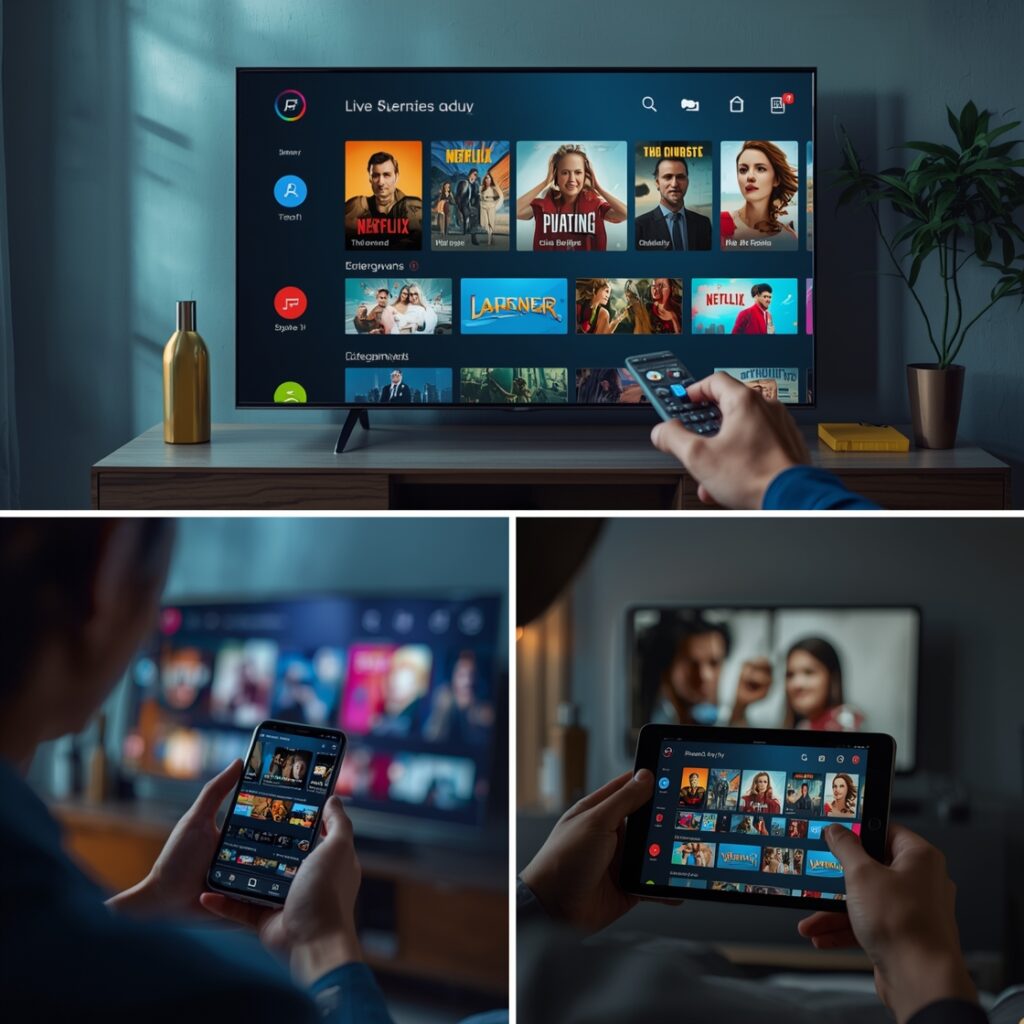
HD and 4K streams demand bandwidth. Poor performance usually stems from network issues or incorrect app settings.
- Wired over Wireless: Whenever possible, use an Ethernet cable to connect your streaming device directly to your router. This eliminates Wi-Fi interference and provides a consistent, low-latency connection.
- Check Internet Speed: For HD (720p/1080p), a minimum of 5 Mbps is recommended. For Full HD and 4K, aim for 15-25 Mbps or higher. Use a speed test tool on your device to verify.
- App Buffer Settings: Within your IPTV player’s settings, increase the “Network Buffer” or “Buffer Size.” A higher value (e.g., from the default 30 seconds to 60-90 seconds) creates a larger data reservoir, smoothing out minor internet hiccups but adding a slight delay to live channels.
- Video Player Selection: Most apps allow you to choose the underlying video decoder. ExoPlayer (common on Android) and VLC are excellent hardware-accelerated options that efficiently handle high-bitrate streams. Avoid software decoding if your device has a capable GPU.
- Limit Concurrent Downloads: Ensure no other devices on your network are engaging in heavy downloading, gaming, or 4K streaming while you watch to maximize available bandwidth.
—
Advantages of Modern Streaming
Switching to an IPTV-based setup offers compelling benefits over traditional TV IPTV apps for Smart TV:
- Unprecedented Flexibility: Watch what you want, when you want. Access live TV, catch-up for missed shows, and vast on-demand movie libraries.
- Multi-Device Access: Your subscription typically works across your TV, smartphone, tablet, and laptop. Watch in the living room, then continue on the go.
- Global Content: Break geographic barriers. Access international news, sports, and entertainment from Europe, Asia, the Americas, and beyond from a single interface.
- Cost-Effectiveness: Bundles are often dramatically cheaper than cable or satellite, with no long-term contracts.
- Personalized Experience: Advanced EPGs and favorites systems let you build a custom channel list, making hundreds or thousands of channels manageable.
—
Troubleshooting & Common Issues
- Buffering/Spinning Wheel: This is almost always a network issue. First, run a speed test. Restart your router and streaming device. Reduce video quality in the app settings. If persistent, your IPTV provider’s server may be overloaded; try a different channel or time of day.
- “Stream Unavailable” or “Channel Not Found”: Your provider may have lost the source for that channel, or the stream is temporarily down. Check their status page or social media. It could also be a regional blackout for sports/events.
- App Crashes or Freezes: Clear the app’s cache in your device’s settings. Uninstall and reinstall the app. Ensure your device’s firmware is up to date.
- EPG (Guide) Not Loading: Verify your EPG URL is correct in the app settings. Some providers have separate, updated EPG URLs. The guide data might also be large; allow more time for it to sync on first load.
- Audio/Video Desync: This is often a player issue. In the player settings, look for “Audio Delay” or “AV Sync” and adjust in small increments (e.g., +100ms or -100ms) until lip movements match sound.
—
Security & Safe Streaming Tips
While IPTV is legitimate, the ecosystem has risks. Protect yourself:
- Use a Reputable VPN: A Virtual Private Network (VPN) encrypts your internet traffic. This prevents your ISP from throttling your bandwidth based on streaming activity and masks your IP address from your IPTV provider and potential copyright monitors. Choose a proven, no-logs VPN service.
- Research Providers Thoroughly: Opt for established, transparent IPTV services with positive, long-standing community reviews. Avoid “lifetime” deals that seem too good to be true—they often indicate illegal retransmissions that get shut down.
- Keep Software Updated: Regularly update your streaming device’s OS/firmware and your chosen IPTV app. Patches often fix security vulnerabilities.
- Beware of “Free” IPTV: Truly free, legal IPTV services exist (like Pluto TV, Tubi, or official network apps). Be extremely wary of services offering thousands of premium channels for free—they are almost certainly distributing pirated content, which carries legal risks and exposes you to malware.
- Strong, Unique Passwords: If your service uses login credentials, use a strong, unique password and enable two-factor authentication if available.
—
Conclusion
Transitioning to internet-based television is a powerful move for any digital entertainment enthusiast. The cornerstone of this experience is your technical setup. By carefully selecting capable IPTV apps for Smart TV that match your device and integrating them with a feature-rich best IPTV player backend, you unlock a world of content with remarkable ease. Remember that success depends on a stable network, proper configuration, and a reputable service provider. Armed with the optimization tips and security practices outlined here, you are well-equipped to build a seamless, high-quality, and safe streaming environment. The future of TV is flexible, personalized, and in your hands.
—
FAQs
Q1: My Smart TV’s official app store doesn’t have the IPTV app I want. What can I do?
A: For Android TV-based Smart TVs (Sony, Hisense, TCL), you can often “sideload” apps by enabling “Unknown Sources” in security settings and installing an APK file via a browser or file manager. For non-Android TVs (Samsung Tizen, LG webOS), your best and simplest bet is to purchase an inexpensive Android streaming device like a Fire TV Stick and use it instead.
Q2: Is a VPN legally required for using IPTV?
A: Legally, IPTV itself is a neutral technology. The legality depends entirely on the content source. If your provider has licenses for the content they stream, a VPN is not required by law. However, using a VPN is a critical privacy and security best practice to prevent ISP throttling and mask your activity, regardless of your service’s legality.
Q3: How many devices can I use with one IPTV subscription?
A: This varies significantly by provider. Most offer 1-5 simultaneous connections. Exceeding this limit will typically result in an error and断开 other streams. Always check your provider’s policy before subscribing, and consider a plan that matches your household’s needs.
Q4: My streams are still buffering even after following the tips. Could it be my device?
A: Yes. Older or very low-end streaming devices (some early Firestick models, basic Android TV boxes) lack the processing power (CPU/GPU) to decode high-bitrate HD or 4K streams efficiently, causing buffering regardless of internet speed. Upgrading to a device with a stronger chipset (e.g., Fire TV Stick 4K Max, Chromecast with Google TV 4K, NVIDIA Shield) can resolve this.
Q5: What’s the real difference between a basic IPTV app and a “best IPTV player”?
A: The distinction is often in user experience and advanced features. Basic apps simply play a playlist. A top-tier best IPTV player like TiviMate offers a Netflix-like interface, robust EPG management, series support, recording capabilities (where legal), customizable themes, parental controls, and much smoother navigation for large channel lists. They turn a simple stream into a polished TV experience.