



The Complete Guide to Modern IPTV Streaming: Setup, Optimization & Smart Viewing
The way we consume television has dramatically shifted over the past decade. Traditional cable subscriptions are increasingly being replaced by flexible, internet-based streaming solutions. Among these, IPTV (Internet Protocol Television) stands out as a powerful method for accessing live TV, movies, and series from around the globe. If you’ve ever wondered how to cut the cord effectively or enhance your current smart TV experience, understanding this technology is key. This guide will demystify the process, from selecting a service to achieving buttery-smooth playback on any device. We’ll break down everything you need to know, including how to evaluate iptv price, iptv plans and securely buy iptv subscription that fits your entertainment needs.
Required Devices & Apps for Seamless Streaming
One of the greatest strengths of modern IPTV and streaming is its universal compatibility. You don’t need a single proprietary box. Instead, you can watch on a wide array of devices you likely already own. Here’s a comprehensive list:
- Smart TVs: Most modern Smart TVs (Samsung Tizen, LG webOS, Android TV, Google TV, Fire TV Edition) have built-in app stores. You can directly install popular IPTV player apps like Smart IPTV, TiviMate, or Perfect Player.
- Streaming Media Players: Devices like the Amazon Firestick, Fire TV Cube, Google Chromecast with Google TV, Roku, and Apple TV are ideal. They offer a dedicated, user-friendly interface and powerful hardware for decoding streams.
- Mobile & Tablet: Both Android and iOS devices are fully supported. Apps like GSE Smart IPTV,IPTV Smarters, and TiviMate offer excellent mobile experiences.
- Computers: You can use VLC Media Player, Kodi, or web-based players directly on Windows, macOS, or Linux PCs.
- Set-Top Boxes: Specialized Android TV boxes (e.g., from NVIDIA, Minix, or generic brands) provide a traditional TV-like interface with maximum customization.
Recommended Apps: For the best experience, we strongly recommend TiviMate (for a premium, cable-like guide), Smart IPTV (simple and reliable), or IPTV Smarters (feature-rich and user-friendly). Always download these apps from official sources like the Google Play Store, Apple App Store, or the Amazon Appstore to avoid malware.
—
Setup Guide: Step-by-Step Installation
Getting started with an IPTV service is straightforward. Follow these general steps, which apply to most apps and devices. We’ll use a Firestick as a primary example, but the logic is identical for Android TV, Smart TVs, and mobile devices.
1. Choose & Subscribe to a Service: First, research and select a reputable IPTV provider. This is the most critical step. Look for services with positive, long-standing reviews, a free trial, and clear uptime statistics. When comparing iptv price, iptv plans, consider channel count, video quality (FHD/4K), VOD library size, and connection limits.
2. Install Your Player App: On your device, go to its app store (e.g., Amazon Appstore on Firestick). Search for your chosen app (e.g., “TiviMate”) and install it.
3. Obtain Your Credentials: After you buy iptv subscription, your provider will email you your unique login details. This typically includes:
* Portal URL / Server URL (a web address)
* Username
* Password
* Sometimes an EPG URL (for the TV guide).
4. Configure the App: Open your installed app. Look for “Settings,” “Add User,” or “Login.” Enter the Portal URL, username, and password exactly as provided.
5. Load the Playlist & EPG: The app will connect to the server, download the channel playlist (the list of live streams) and the Electronic Program Guide (EPG). This may take a few minutes depending on the size of the service.
6. Enjoy! Once loaded, you’ll see a full grid of live channels and on-demand content. Navigate, search, and start watching.
—
Streaming Quality & Performance Tips
Nothing ruins a show faster than constant buffering. Optimizing your setup is non-negotiable for a premium experience.
- Internet Speed is King: For smooth FHD (1080p) streaming, a stable 15-25 Mbps connection is recommended. For 4K streams, aim for 50+ Mbps. Use a wired Ethernet connection for your streaming device whenever possible—it’s infinitely more stable than Wi-Fi.
- Reduce Wi-Fi Congestion: If you must use Wi-Fi, ensure your streaming device is on a clear 5GHz band (not the older, slower 2.4GHz). Keep it close to your router. Consider a Wi-Fi mesh system for larger homes.
- Use a Quality VPN (Correctly): A VPN can help bypass ISP throttling (where your provider slows down streaming traffic) and geo-restrictions. However, use a high-speed, paid VPN service with optimized streaming servers. Free VPNs often have slow speeds and data caps that cause more buffering.
- App & Device Settings: Within your IPTV app, set the default video player to “ExoPlayer” (on Android) or use the built-in player. Disable any “auto-quality” settings if the option exists and manually select your desired stream quality (e.g., 720p, 1080p).
- Clear Cache Regularly: Over time, app caches can bloat and cause performance issues. Periodically clear the cache for your IPTV and streaming apps in your device’s settings.
—
Advantages of Modern Streaming & IPTV
The shift to internet-based TV isn’t just about cost; it’s about a fundamentally better experience.
- Unprecedented Flexibility: Watch what you want, when you want. No more rigid broadcast schedules. Pause, rewind, and catch up on missed shows effortlessly.
- Multi-Device Access: A single subscription often allows 2-5 simultaneous connections. Watch on your living room TV while a family member uses a tablet in another room.
- Global Content Library: Access international channels, niche sports, and regional networks that traditional cable bundles simply don’t offer.
- Cost-Effectiveness: When you analyze iptv price, iptv plans against traditional cable, the savings are often 50-70% for a vastly larger content selection.
- No Contracts or Hidden Fees: Most reputable services offer month-to-month billing. You pay for the service, there are no installation fees, equipment rental fees, or surprise charges.
—
Troubleshooting & Common Issues
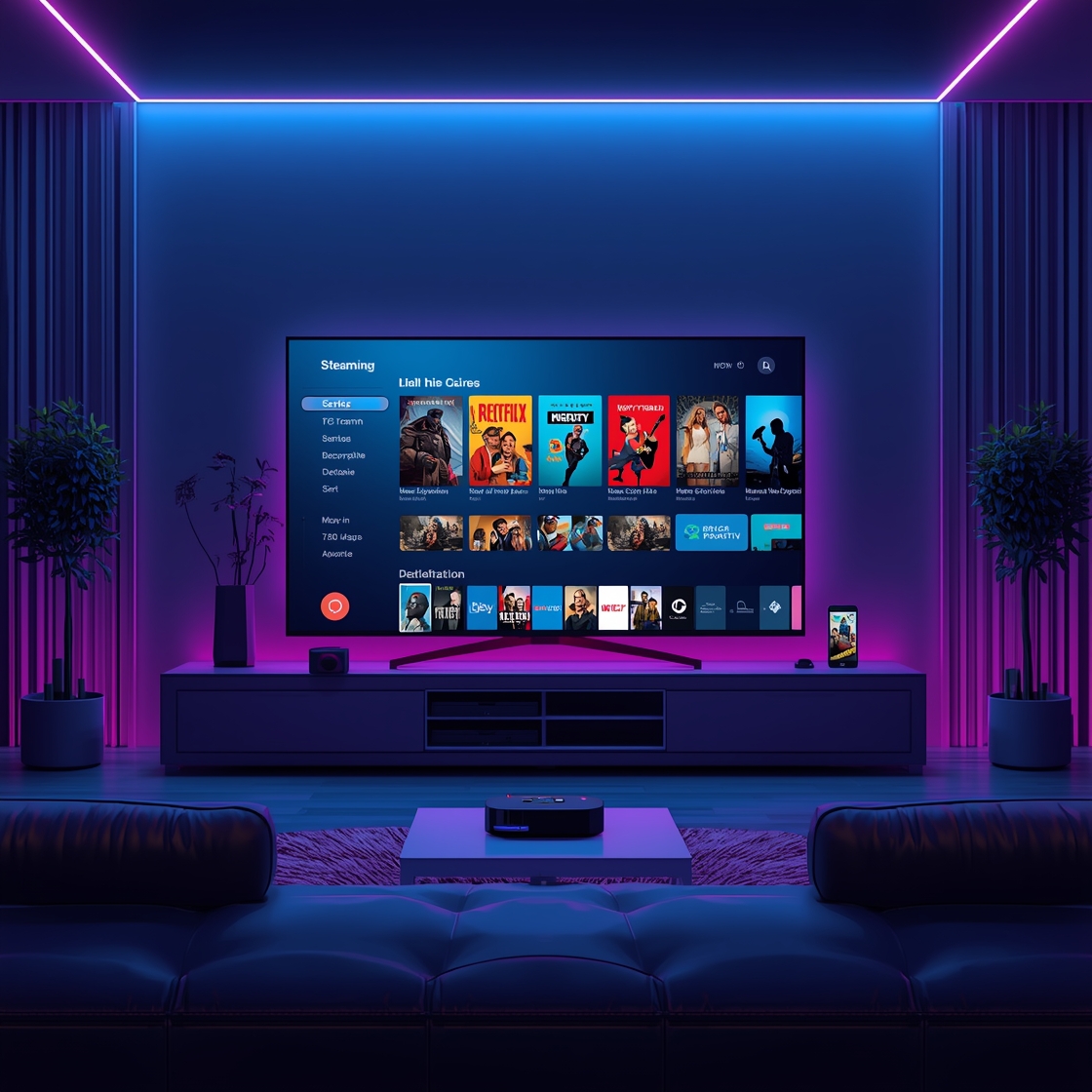
Even with perfect setup, occasional hiccups occur. Here’s how to fix them:
- “Channel Not Playing” or “Buffering Constantly”: First, check your internet speed with a speed test. If it’s fine, the issue is likely with the provider’s server load. Try a different channel to isolate the problem. Switch to a lower quality stream in your app settings.
- Login/P authentication Failures: Double-check your Portal URL, username, and password for typos. Ensure your subscription is active and hasn’t expired. Contact your provider’s support—they can often reset your credentials instantly.
- App Crashes or Freezes: Restart your streaming device. Uninstall and reinstall the app. Clear the app cache and data (a last resort, as it may delete your favorites).
- No EPG / Guide Data: This is usually a provider-side issue. Ensure your EPG URL is correct in the app settings. Sometimes the guide feed is delayed; be patient or contact support.
- Audio/Video Desync: In your player settings (like VLC or MX Player), look for an “Audio Delay” or “A-V Sync” option and adjust by milliseconds until it’s fixed.
—
Security & Safe Streaming Tips
The Wild West nature of some IPTV services requires caution.
- Use a Reputable Provider: This is your first and most important line of defense. Fly-by-night services with suspiciously low prices often involve piracy, malware, or sudden shutdowns. Research extensively.
- Employ a VPN (Again): A VPN encrypts all your internet traffic, hiding your streaming activity from your ISP. This is crucial for privacy and avoiding copyright notices in stricter regions.
- Secure Your Network: Use a strong, unique password for your home Wi-Fi. Never use public Wi-Fi for streaming without a VPN.
- Keep Devices Updated: Regularly update your streaming device’s firmware and all apps to patch security vulnerabilities.
- Beware of “Free” IPTV Lists: Free services are almost always illegal and are prime vectors for viruses, spyware, and aggressive pop-up ads. The minimal cost of a legitimate service is worth the safety, reliability, and quality.
—
Conclusion: Your Journey to Smarter Entertainment Starts Here
Mastering IPTV streaming empowers you to take full control of your entertainment. From selecting the right hardware and a trustworthy provider to fine-tuning your setup for buffer-free 4K viewing, the path is clear. Remember, the foundation is a reliable service—always carefully evaluate iptv price, iptv plans against your specific channel and quality needs. Once you buy iptv subscription from a reputable source and follow the optimization steps outlined, you’ll unlock a world of content with unparalleled flexibility. The future of TV is personalized, portable, and powered by the internet. Embrace it with confidence and smart preparation.
—
FAQs
Q1: Do I need technical skills to set up an IPTV service?
A: Not really. The process is designed to be user-friendly. If you can install an app on your phone or TV and copy-paste a few details (URL, username, password), you can set it up. Most providers offer detailed setup guides for each device type.
Q2: Can I use one IPTV subscription on multiple TVs in my house?
A: It depends on the provider’s policy. Most offer plans with 2, 3, or 5 simultaneous connections. A “connection” means one stream playing at a time. Always check the plan details before you buy iptv subscription to ensure it matches your household’s needs.
Q3: My stream is buffering even with fast internet. What’s wrong?
A: This is usually a server-side issue from your IPTV provider. Their servers may be overloaded during peak times. Try switching to a different channel. If the problem persists across channels, contact your provider’s support. They can often move you to a less congested server or check for service issues.
Q4: Is IPTV legal?
A: The technology itself (streaming TV via internet protocols) is perfectly legal. Legality depends entirely on the iptv price, iptv plans and content licenses of the service provider. Reputable services pay licensing fees for the content they redistribute. Always research a provider’s legitimacy and avoid services offering “all premium channels for $10/month,” as these are almost certainly illegal pirate streams.
Q5: What’s the real difference between freeIPTV and a paid service?
A: The difference is night and day. Paid services from reputable providers offer stable servers, high-quality HD/4K streams, a massive and reliable Video on Demand (VOD) library, electronic program guides (EPG), and professional customer support. Free services are riddled with constant buffering, broken channels, malware risks, and no support. You truly get what you pay for.